Collection 01
SALT OF THE EARTH
Matthew 5:13NKJV
“You are the salt of the earth; but if the salt loses its flavor, how shall it be seasoned?”
historical context
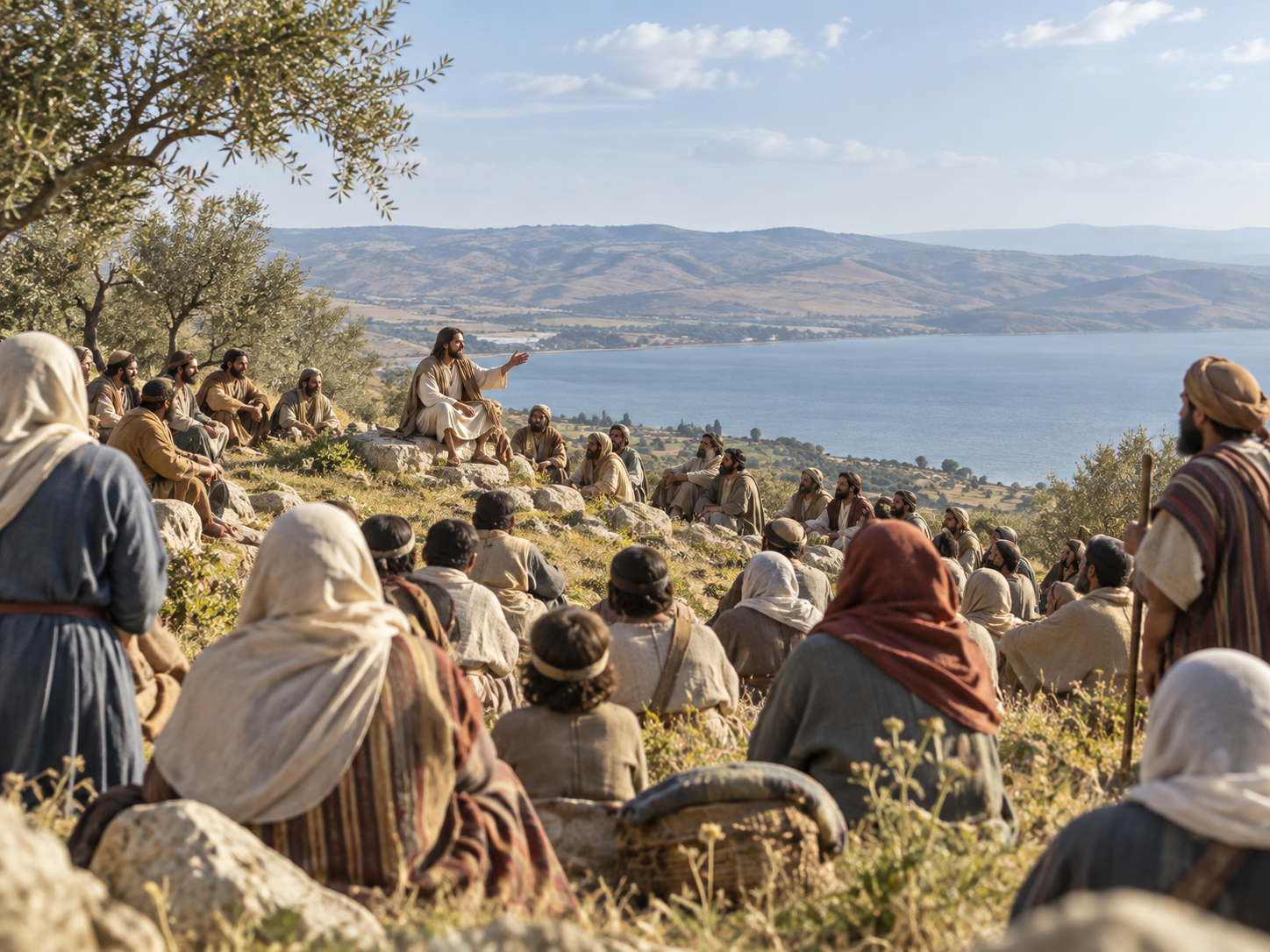
During the first century AD, Jesus delivered the Sermon on the Mount during His Galilean ministry, addressing His disciples in the presence of gathered crowds. Salt was familiar to His listeners, valued for seasoning and preserving food, but it also held deeper significance within Israel’s Scriptures. It was required in offerings to God (Leviticus 2:13) and associated with the enduring nature of His covenant (Numbers 18:19). Immediately following the Beatitudes, where Jesus describes the character of those belonging to God’s kingdom, He declares His disciples to be the salt of the earth. This was not merely a call to influence the surrounding world, but a declaration of identity and responsibility. Those who follow Christ are called to demonstrate the humility, mercy, righteousness, and faithfulness He had just described. His warning about salt losing its flavor emphasizes the seriousness of discipleship: just as salt that no longer serves its purpose becomes ineffective, those who profess to follow Christ must not abandon the distinctive character of the kingdom they represent.
Estimated Date
c. AD 28–30
Likely c. AD 28–30, during the early Galilean ministry of Jesus Scripture does not preserve an exact date for the Sermon on the Mount, but the Gospel accounts allow us to place it relatively early in Jesus’ public ministry. Matthew situates the teaching after John the Baptist had been imprisoned and after Jesus had established His ministry in Galilee, making Capernaum a center of His activity. Jesus had already begun proclaiming the kingdom of heaven, called His first disciples, taught throughout Galilee, and performed healings that drew crowds from Galilee, the Decapolis, Jerusalem, Judea, and beyond the Jordan. The Sermon therefore comes at a significant moment: Jesus’ public ministry was rapidly expanding, crowds were gathering around Him, and He was beginning to define for His disciples what life under the kingdom of God actually looks like. The precise year, season, and day are unknown, but a date in the late AD 20s, likely around AD 29, fits the historical and Gospel chronology.
Key Insight
When Was Matthew’s Gospel Written?
Most modern biblical scholars date the composition of Matthew’s Gospel to approximately AD 80–90. However, some conservative scholars support an earlier date, approximately AD 50–70. The precise date remains uncertain, with scholarly perspectives differing over the Gospel’s authorship, historical context, and relationship to other New Testament writings.
Location
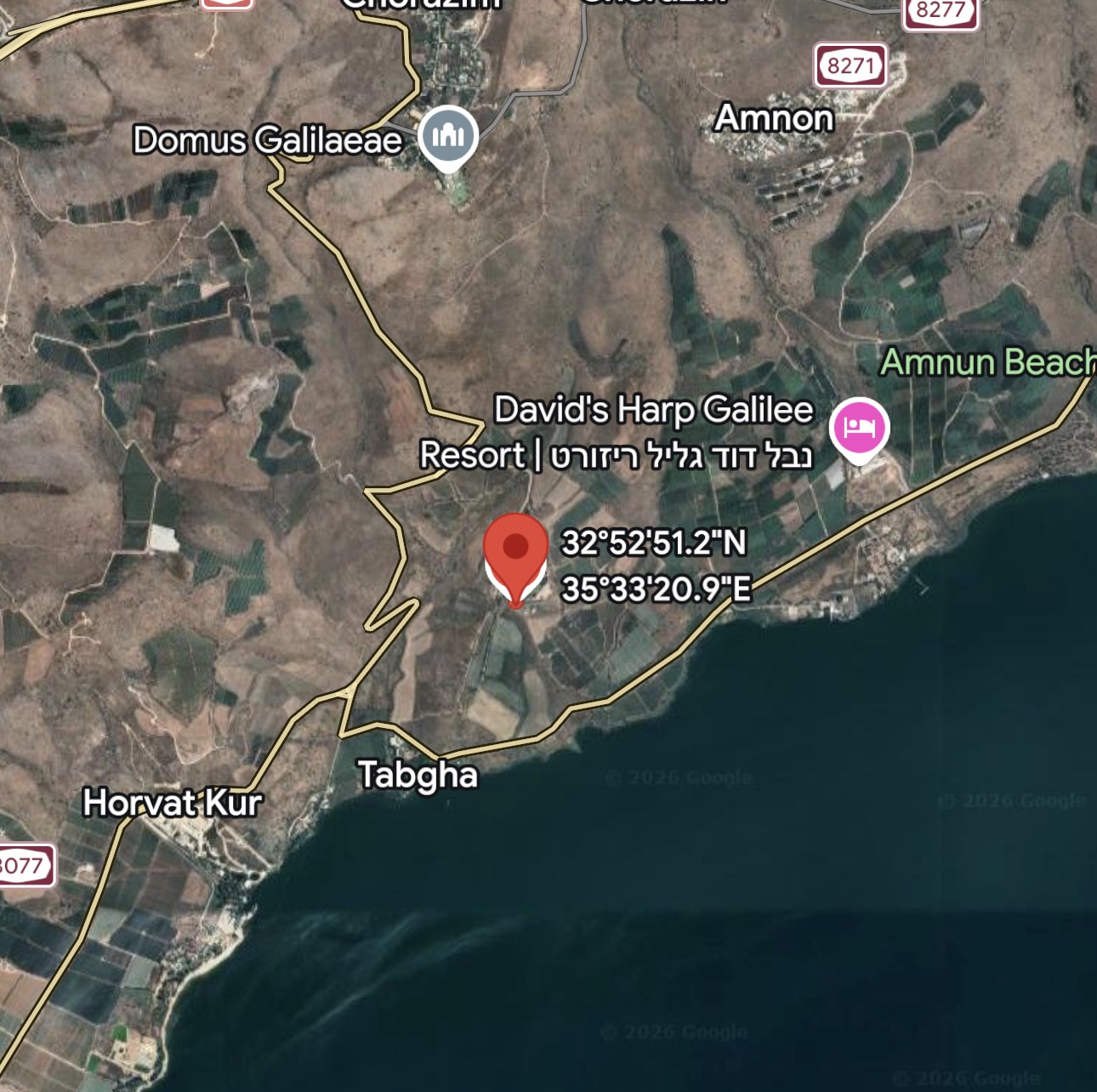
Mount of Beatitudes, Galilee — Traditional location of the Sermon on the Mount (Matthew 5–7).